Key takeaways
- There is no universal best language; the correct choice follows product constraints.
- Swift and Kotlin offer direct platform access, while React Native and Flutter can share more code.
- Team capability and maintenance horizon matter as much as benchmarks.
How this guide was prepared
This guide is written for organisations evaluating best programming language for mobile apps in Egypt. It separates this intent from direct service-page terms and avoids unsupported prices, rankings, guarantees, or client claims.
The article combines Nova Roids delivery experience, the project portfolio linked on this page, and the named primary technical references. Any volatile commercial detail should be confirmed during discovery.
What this page owns—and what it deliberately excludes
This is the canonical page for the best programming language for mobile apps query family. It answers the specific decision below without duplicating the service page or adjacent cluster articles.
Topics intentionally handled elsewhere
- Exact app pricing
- Vendor rankings
- Backend language selection
Direct service and enquiry intent belongs to our Mobile App Development service page.
The broader topic is covered by Mobile App Development Process: From Idea to App Store.
Swift for iOS and Kotlin for Android
Native languages give direct access to platform APIs, tooling, and user-interface conventions. They are strong choices for highly platform-specific products, demanding hardware integrations, or teams committed to separate native codebases.
Ready to move from planning to delivery? Review our mobile app development process and deliverables.
JavaScript and React Native
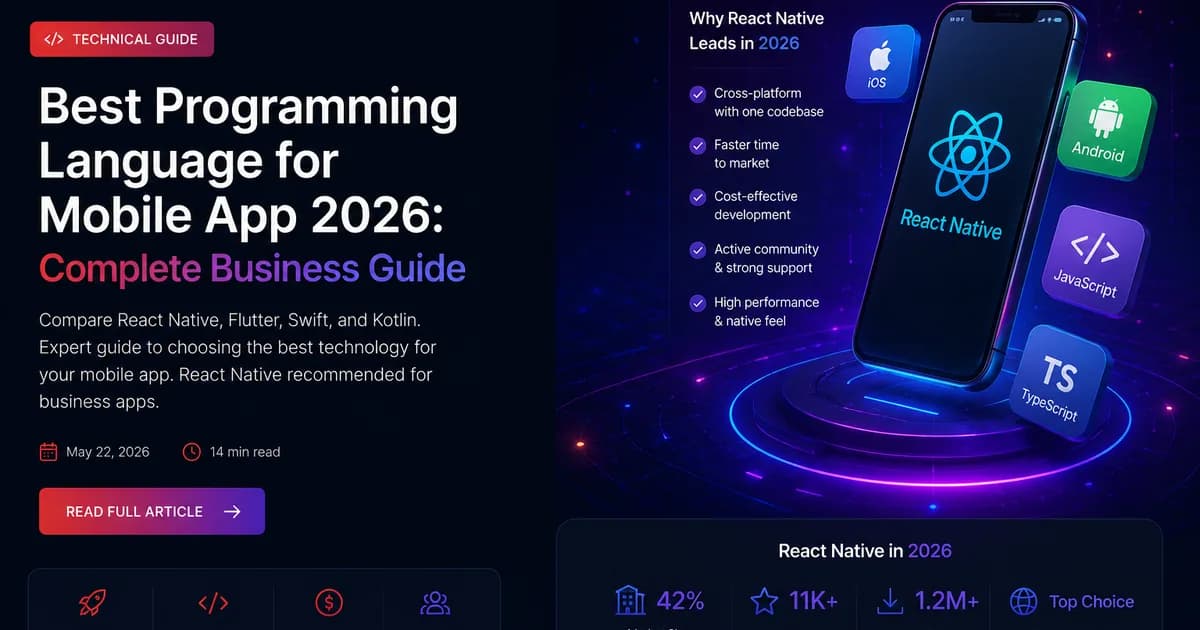
React Native lets teams share product logic and interface components while still integrating native modules when required. It is effective for many consumer and business apps, especially when the organization already uses React and wants one coordinated product team.
This article belongs to the Mobile App Development Process: From Idea to App Store topic cluster.
Dart and Flutter
Flutter provides a consistent rendering model and broad cross-platform support. It can be attractive for visually controlled interfaces and teams comfortable with its ecosystem. Evaluate required SDKs, accessibility, platform behavior, and hiring availability.
The next related decision is covered in Mobile App Development Process: From Idea to App Store.
A decision framework that avoids technology bias
List the non-negotiable product requirements before selecting a language. Run a short technical spike for the riskiest integration rather than trusting a generic comparison chart.
- Native SDK and device requirements
- Expected UI complexity
- Offline and background behavior
- Performance constraints
- Team skills and hiring market
- Release and maintenance model
Start with product constraints, not language popularity
The best programming language for mobile apps depends on required platforms, performance, device capabilities, team experience, release cadence, accessibility, and long-term maintenance. A technology that is excellent for one product may add unnecessary complexity to another. Define the product's hardest requirements before comparing ecosystems.
Consider how much platform-specific behaviour is needed. Applications involving advanced camera, health, Bluetooth, background services, graphics, or deep operating-system integration may benefit from native work. Products dominated by forms, content, accounts, and APIs may gain more from a shared cross-platform codebase.
- Target platforms
- Native device capabilities
- Performance and animation requirements
- Team skills and hiring
- Maintenance and release strategy
Evaluate ecosystem maturity and dependency risk
Language choice includes frameworks, libraries, build tools, store tooling, testing, and community support. Review whether essential packages are actively maintained and compatible with current platform versions. Too many critical dependencies can turn routine upgrades into risky migration projects.
Prefer stable, documented foundations and keep business logic separated from framework-specific code where practical. Record important architecture decisions so future developers understand why the stack was selected and what conditions might require a change.
- Framework release history
- Critical package maintenance
- Testing and debugging tools
- Upgrade path
- Availability of experienced developers
Prototype the highest-risk capability
When the decision is uncertain, build a small technical proof around the hardest feature rather than a generic demo. Test device integration, performance, offline behaviour, background processing, or a complex animation on real hardware. The result gives the team evidence about feasibility and effort before the full product commits to a stack.
A proof should have a defined question and success criteria. It is not production code and should not silently become the foundation of the released app without review. Document what was learned, remaining risks, and any platform differences.
- Choose one uncertain capability
- Test on representative devices
- Measure performance and failure states
- Document limitations and next decisions
Plan for maintenance after launch
Mobile platforms change continuously. Budget for operating-system updates, store requirements, dependency upgrades, device testing, security fixes, analytics changes, and new hardware behaviour. The best stack is one the team can maintain reliably, not only one that produces the first release quickly.
Keep build instructions, environment configuration, release credentials, and dependency decisions documented. Use automated checks for critical logic and a repeatable release process. This protects the product when team members change or when an urgent store update is required.
- Document local and production builds
- Automate critical tests
- Track dependency and OS updates
- Protect signing and store credentials
- Monitor crashes and user feedback
A repeatable technology-selection workshop
Bring product, engineering, design, and operations into one decision session. List hard requirements, desirable features, expected scale, native capabilities, release cadence, team skills, and maintenance constraints. Score each realistic stack against those criteria and record the assumptions behind the score.
Where one requirement dominates the decision, validate it with a technical proof on real devices. The workshop output should be a short architecture decision record, not a permanent claim that one language is best. Revisit the decision only when the product constraints materially change.
- Hard product requirements
- Team and hiring capacity
- Prototype evidence
- Architecture decision record
Warning signs of a technology-led decision
Be cautious when a recommendation is based only on popularity, developer preference, or a promise that one codebase removes all platform work. Cross-platform tools still require platform testing and sometimes native modules. Native stacks still need shared backend, design, and release processes.
A mature recommendation explains what the technology makes easier, what it makes harder, and how the team will handle upgrades and specialist features. The decision should reduce product risk, not simply optimise the first weeks of coding.
- No link to product requirements
- Ignored platform differences
- Unmaintained critical packages
- No upgrade or hiring plan
Mobile technology comparison
| Technology | Strong fit | Important consideration |
|---|---|---|
| React Native | Cross-platform products sharing substantial product logic | Native modules, upgrades, and platform-specific QA still require expertise |
| Flutter | Highly controlled cross-platform interfaces and one product team | Dart ecosystem fit and platform behaviour should be validated |
| Swift | Deep iOS integration and Apple-first product experiences | A separate Android implementation is normally required |
| Kotlin | Deep Android integration and Android-first products | A separate iOS implementation is normally required |
Questions and checks before you commit
What clients highlighted
“The app scope became much clearer after discovery. We understood what should go into the first release and what should wait.”
“The website finally explains our services clearly, loads fast, and gives our team a cleaner way to receive qualified enquiries.”
Relevant Nova Roids project work
These case studies show related delivery experience. They do not imply that every feature discussed in this guide was used on every project.
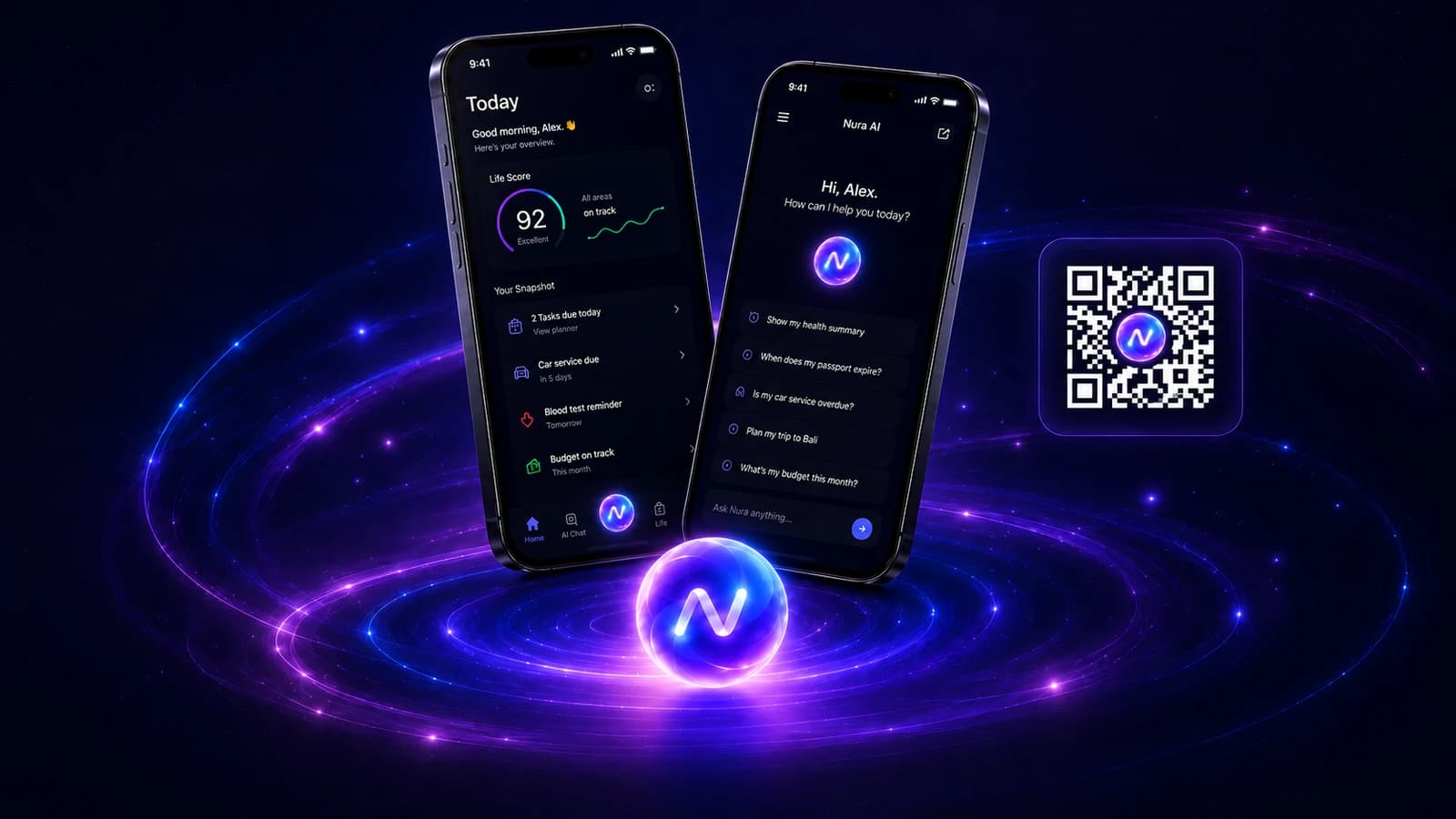
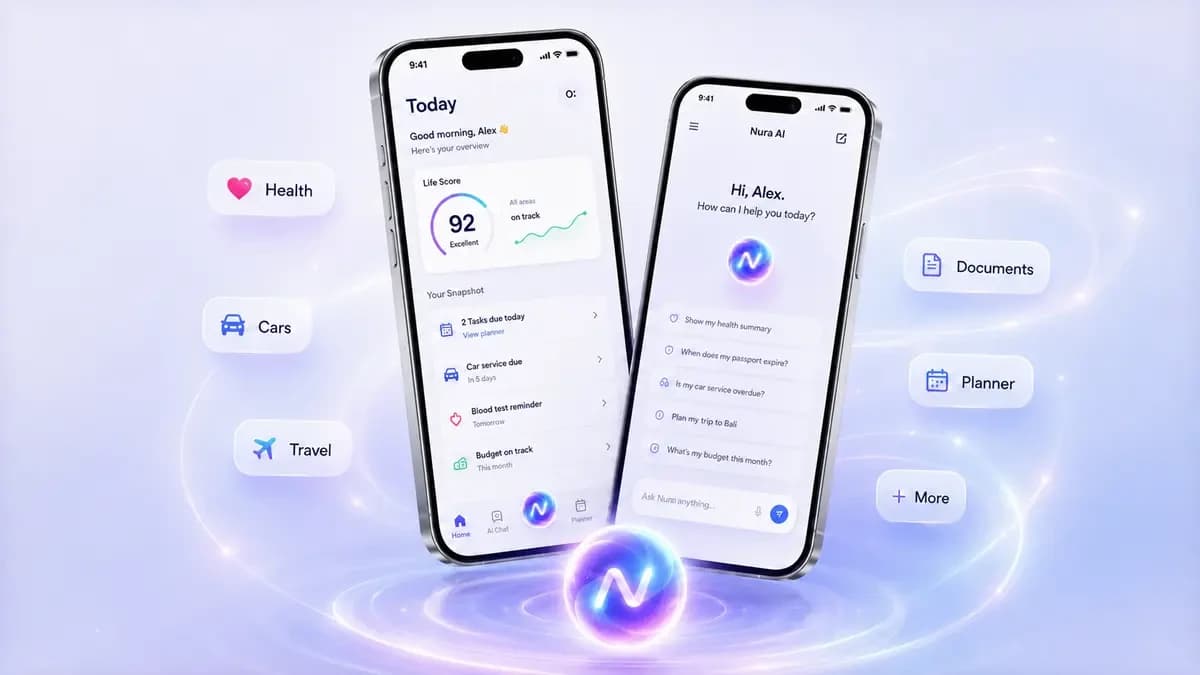
Nura AI Life Assistant
A personal AI life assistant for natural chat and voice, tasks, reminders, files, expenses, memory controls, and connected everyday context.

PetCare+ Pet Care Platform
A mobile pet-care platform combining pet profiles, care tasks, bookings, notifications, and an AI Vet entry point with a connected digital growth system.
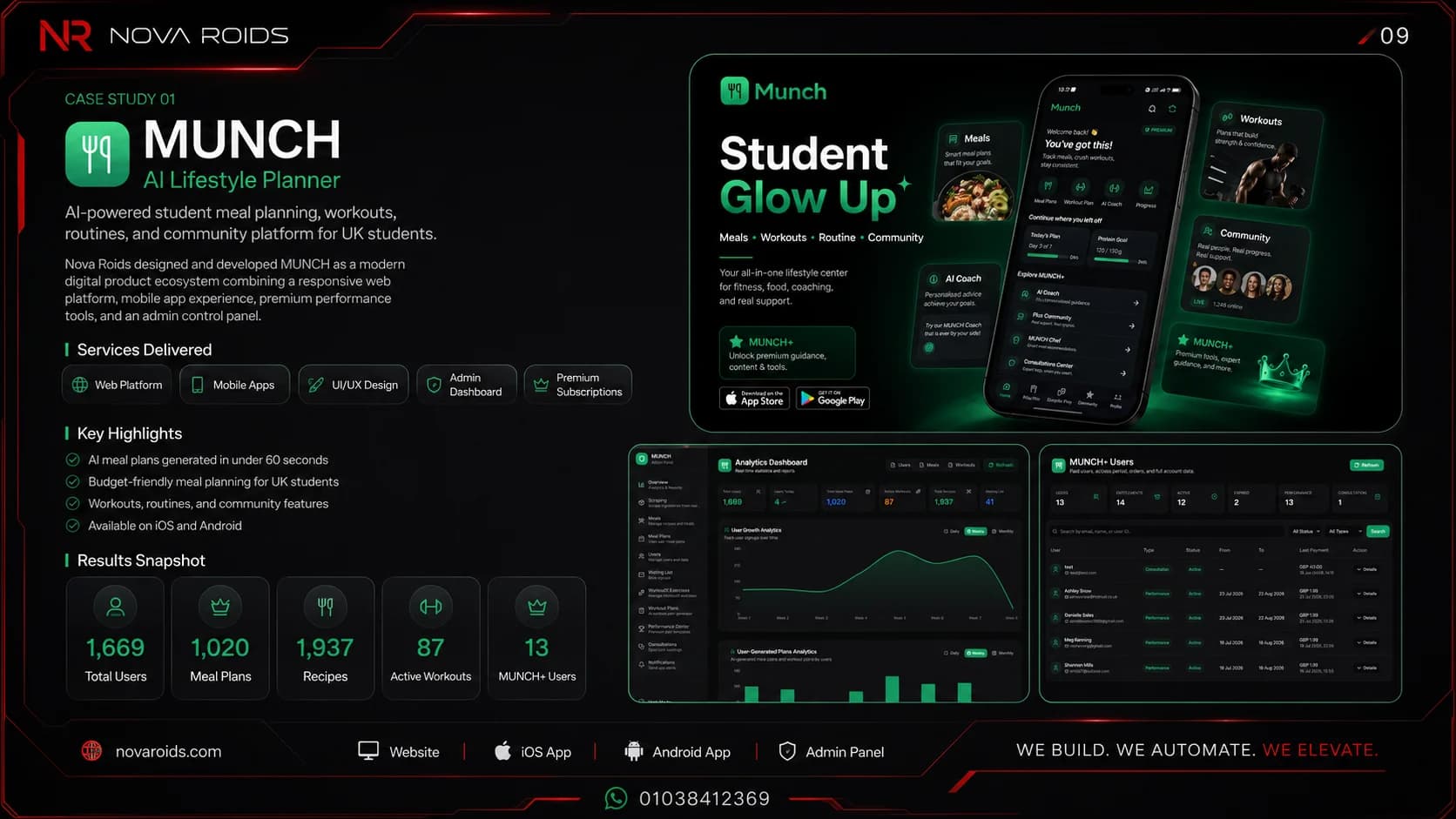
MUNCH AI Lifestyle Platform
An AI-powered mobile and web ecosystem for meal planning, workouts, performance tracking, community, and student lifestyle management.
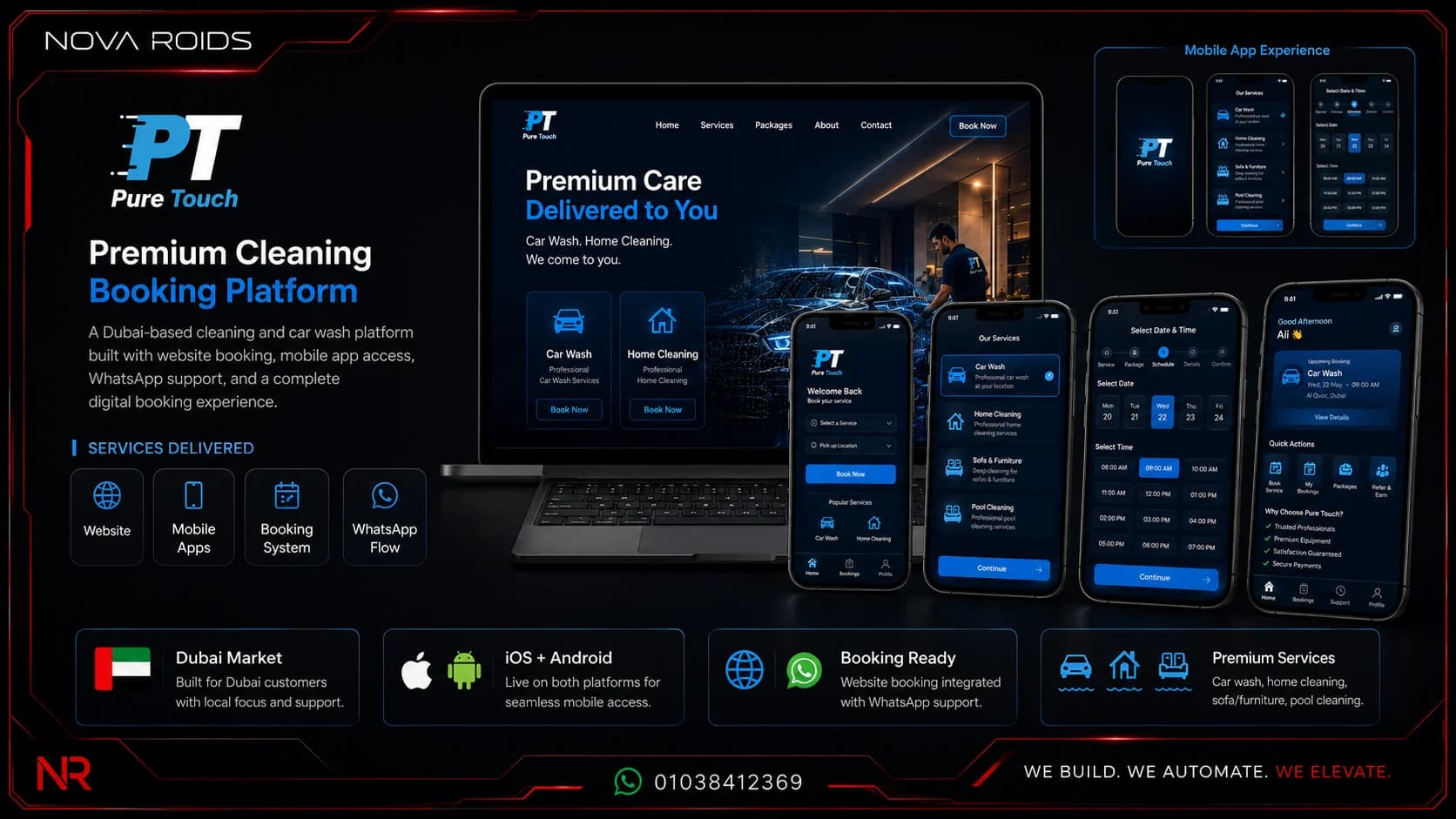
Pure Touch Booking Ecosystem
A premium UAE booking platform for mobile car wash, home cleaning, pool care, locations, packages, and booking operations.
Frequently asked questions
Which programming language is best for Android apps?+
Kotlin is the primary modern native choice for Android. React Native or Flutter may be better when shared cross-platform delivery is a major requirement.
Which language is best for iPhone apps?+
Swift is the direct native choice for iOS. Cross-platform frameworks can still be suitable when product requirements do not demand a fully separate native implementation.
Does cross-platform mean lower quality?+
No. Quality depends on architecture, engineering, testing, native integration, and product design. A poorly built native app can be worse than a well-built cross-platform app.
Is there one best option for every best programming language for mobile apps project?+
No. The right option depends on product goals, user journeys, integrations, performance needs, internal skills, budget, and long-term ownership. A useful comparison explains trade-offs instead of declaring one technology or platform universally superior.
How should I validate the choice before committing?+
Confirm the critical requirements, test the highest-risk assumptions, review comparable live work, and document why the chosen option fits the operating team. A prototype or technical spike is often more reliable than debating preferences in the abstract.
Author and technical review
Primary references
Need a scoped recommendation instead of a generic answer?
Share the current system, target users, required outcomes, and deadline. The Nova Roids team will identify the smallest practical next step and the assumptions that need validation.