Key takeaways
- React Native can share substantial product code across iOS and Android, but backend, native configuration, QA, and store responsibilities still exist.
- Choose it from product constraints, not because a vendor always sells one framework.
- Test both platforms on real devices even when most code is shared.
- Long-term maintenance depends on native expertise, dependency discipline, and documented release ownership.
How this guide was prepared
This guide owns the React Native app development Egypt search intent and is designed to support the mobile app service page without duplicating direct company, pricing, or adjacent cluster intent.
The guidance combines Nova Roids product-delivery experience, the four mobile project case studies linked on the page, the supplied Google Search Console query patterns, and the named primary references. No market-wide prices, rankings, or guarantees are invented.
What this page owns—and what it deliberately excludes
This is the canonical page for the React Native app development Egypt query family. It answers the specific decision below without duplicating the service page or adjacent cluster articles.
Topics intentionally handled elsewhere
- General mobile app development company intent
- Full programming-language comparison
- Exact project pricing
Direct service and enquiry intent belongs to our Mobile App Development service page.
The broader topic is covered by Mobile App Development Process: From Idea to App Store.
What React Native changes—and what it does not
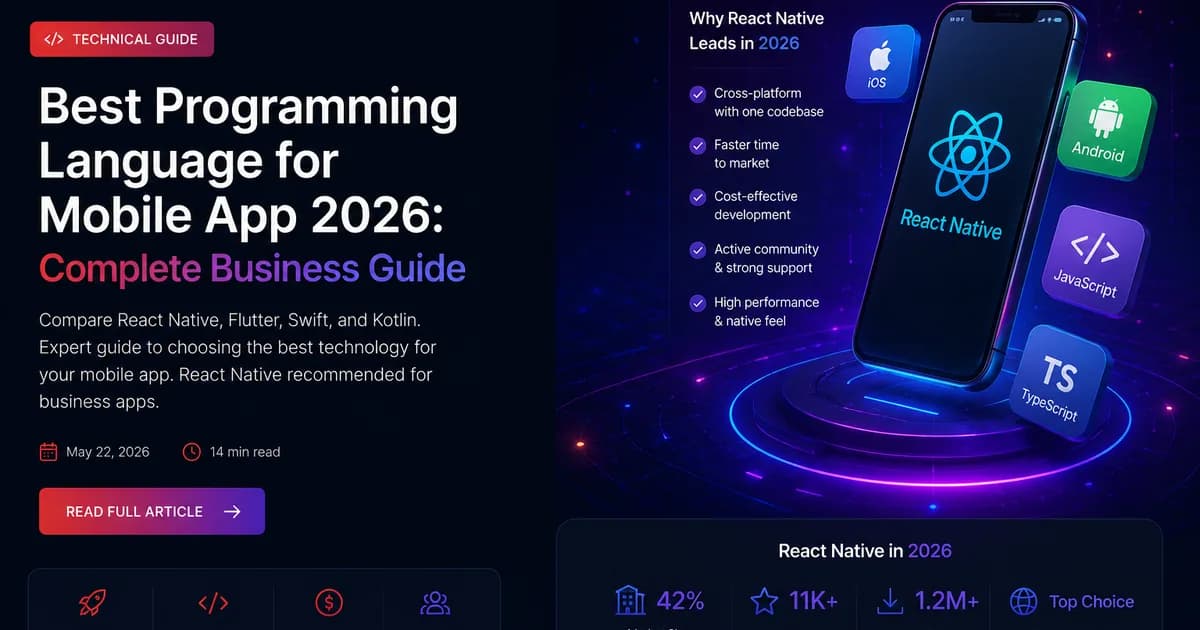
React Native lets teams build substantial parts of an iOS and Android product from a shared JavaScript or TypeScript codebase while still rendering native platform components. For many business and consumer products, that can reduce duplicated interface and product logic. It does not remove backend development, product design, app-store work, native configuration, device testing, analytics, or the need to understand each operating system.
The business benefit is strongest when the two platforms share most journeys and release priorities. The engineering team can maintain one core product layer and add platform-specific code where necessary. The decision should still be based on requirements. A framework is valuable when it reduces total product complexity, not simply because it reduces the number of repositories.
Ready to move from planning to delivery? Review our mobile app development process and deliverables.
When React Native is a strong fit
React Native is often suitable for account-based applications, marketplaces, booking products, productivity tools, content apps, subscription products, e-commerce companions, internal business tools, and AI-enabled consumer experiences where most product logic is shared across platforms. It can integrate with cameras, notifications, maps, payments, files, authentication, deep links, and many native SDKs through supported libraries or custom native modules.
A strong fit also depends on team skills and support expectations. If the delivery team can diagnose both JavaScript and native iOS or Android issues, shared-code productivity can be meaningful. If nobody can work below the framework layer, native dependency problems may become harder to resolve. Ask who owns native module debugging and store configuration when the abstraction is not enough.
This article belongs to the Mobile App Development Process: From Idea to App Store topic cluster.
When native development may be the better choice
Native Swift or Kotlin may be preferable when the core product depends on specialised hardware, continuous background execution, advanced Bluetooth behaviour, extremely demanding graphics, cutting-edge platform APIs, or an experience where iOS and Android intentionally diverge. A company should be comfortable recommending native work when the product requires it instead of forcing every project into one delivery model.
Hybrid architectures are also possible. A React Native application can include native modules for platform-specific capabilities. The important question is not whether any native code exists; it is whether the architecture is maintainable, testable, and owned by a team that understands the boundaries. Document which features rely on third-party modules and how those modules will be supported across operating-system upgrades.
The next related decision is covered in Mobile App Development Process: From Idea to App Store.
Backend architecture matters more than the framework in many apps
Users experience the mobile interface, but reliability often depends on APIs, database design, authentication, permissions, queues, notifications, file storage, payments, and operational tools. A React Native codebase cannot compensate for slow APIs, inconsistent data, insecure permission rules, or an admin workflow that leaves staff dependent on manual spreadsheets.
Design the backend contracts around product behaviour and failure states. Mobile networks are variable, so requests may be delayed or repeated. Important operations should handle retries safely and return states the app can explain. The mobile team and backend team should agree on API schemas, error formats, authentication refresh, pagination, media limits, and versioning before features expand.
Performance should be measured on the journeys that matter
Performance discussions are more useful when tied to real user actions: launch time, list rendering, navigation responsiveness, image-heavy screens, map interactions, animations, and background tasks. Test on representative mid-range devices rather than only the newest phones. Optimise data loading, caching, images, rendering, and state updates before assuming the framework itself is the bottleneck.
Complex animations or native SDKs can require additional profiling and native expertise. Establish performance budgets for the product rather than generic claims about frames per second. The team should know how it will collect crash and performance evidence after launch so regressions introduced by future releases are visible quickly.
React Native QA still requires iOS and Android testing
Shared code does not mean shared behaviour in every operating-system condition. Test permissions, keyboards, safe areas, date and time handling, notifications, background and foreground transitions, deep links, file pickers, camera access, payments, app links, and store-specific configuration on both platforms. Library behaviour can differ because the native systems underneath it differ.
Build a release matrix that covers the supported OS versions and representative devices. Automate logic and critical integration tests where it creates value, but keep manual device testing for platform behaviour. Every store release should also verify signing, environment variables, production endpoints, version numbers, privacy declarations, screenshots, and reviewer access.
Plan upgrades and dependency ownership before launch
React Native and its ecosystem continue changing. The maintenance plan should define who reviews framework upgrades, native SDK changes, security updates, deprecated APIs, and store requirements. Avoid installing libraries simply to save a few lines of code. Each dependency adds maintenance, security, and compatibility responsibility over the lifetime of the product.
Keep native projects, build configuration, certificates, package identifiers, and environment setup documented. A new engineer should be able to reproduce development and release builds without relying on one person's laptop. This operational discipline matters more to long-term cost than whether version one was built quickly.
How to evaluate React Native app development in Egypt
When comparing providers, ask for products that actually shipped on both platforms where possible, examples of native integrations, the backend approach, QA process, release ownership, and maintenance model. Ask who will diagnose a crash that originates inside an iOS or Android SDK. The answer should show that the team understands the complete stack rather than only React components.
Use the product requirements to test the recommendation. If the team can explain why React Native fits your users, features, device constraints, budget, and future roadmap—and where it may not fit—the recommendation is useful. If the answer is simply that React Native is always faster and cheaper, the company has not explained the trade-offs that matter.
React Native versus native development decision factors
| Decision factor | React Native can fit when | Native may be preferable when |
|---|---|---|
| Shared product UX | Most journeys are similar across iOS and Android | Platforms intentionally need different experiences |
| Device integrations | SDKs are well supported or manageable through modules | Core value depends on specialised low-level APIs |
| Performance | Typical business and consumer workloads | Very demanding graphics or platform-specific real-time work |
| Team | Team can debug JavaScript and native boundaries | Existing teams are deeply platform-specific |
Questions and checks before you commit
What clients highlighted
“The website finally explains our services clearly, loads fast, and gives our team a cleaner way to receive qualified enquiries.”
“The SEO structure made the site easier to understand. We could see which pages target traffic, which pages convert, and what to publish next.”
Relevant Nova Roids project work
These case studies show related delivery experience. They do not imply that every feature discussed in this guide was used on every project.
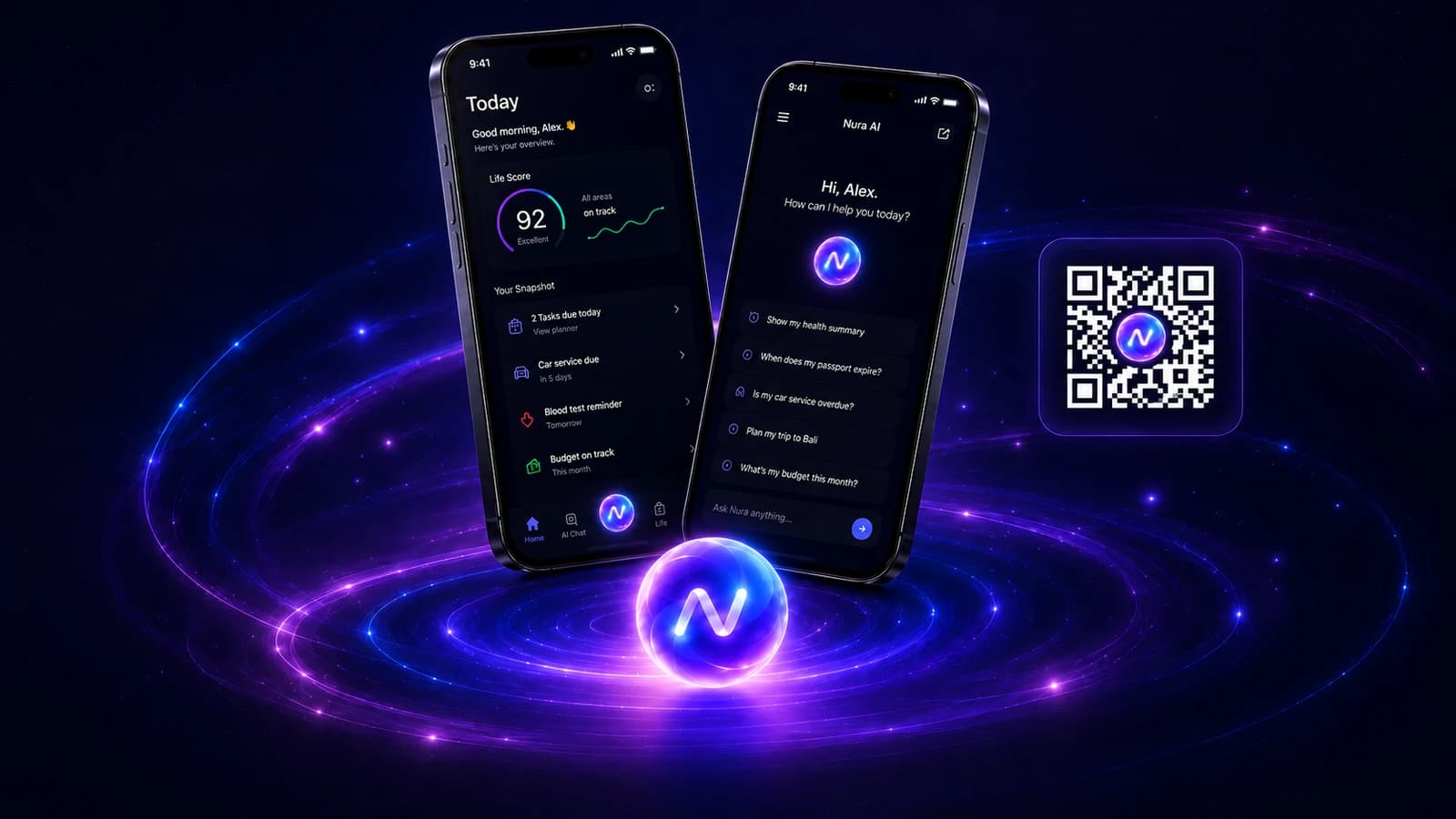
Nura AI Life Assistant
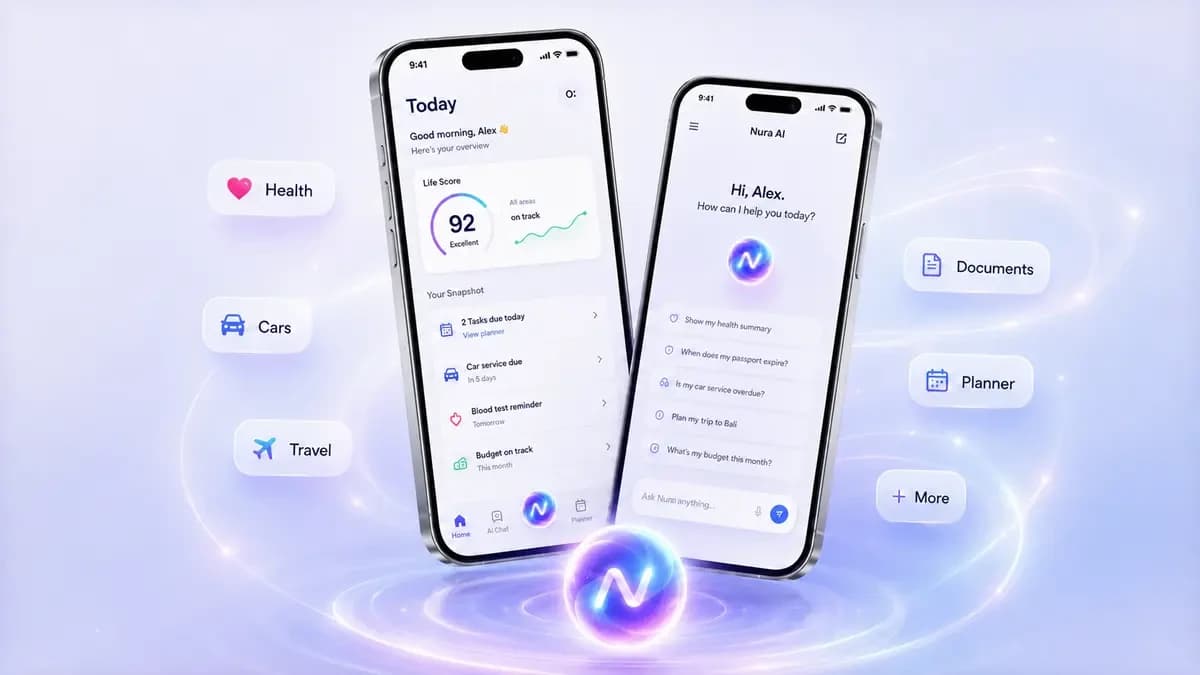
A personal AI life assistant for natural chat and voice, tasks, reminders, files, expenses, memory controls, and connected everyday context.

PetCare+ Pet Care Platform
A mobile pet-care platform combining pet profiles, care tasks, bookings, notifications, and an AI Vet entry point with a connected digital growth system.
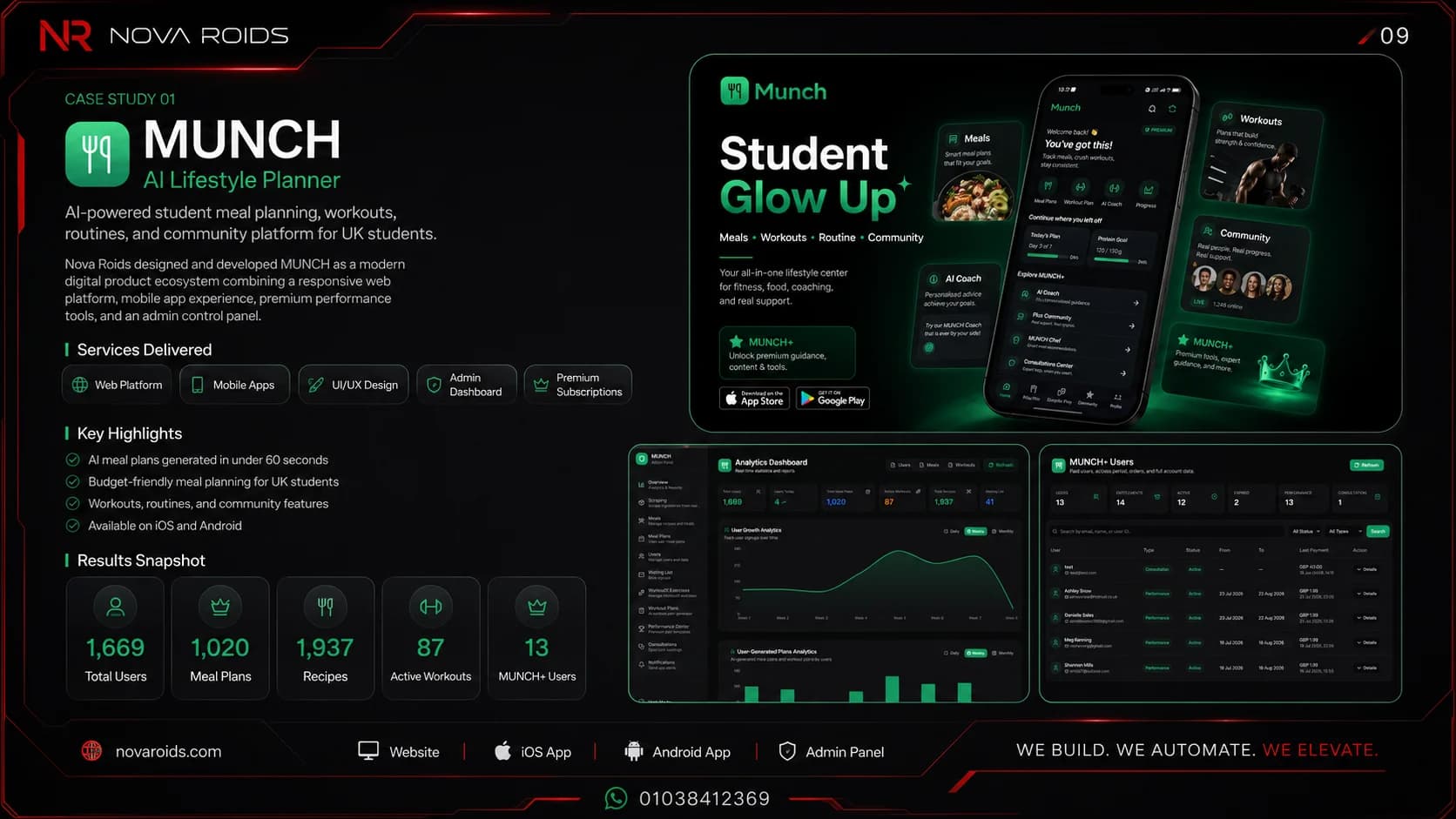
MUNCH AI Lifestyle Platform
An AI-powered mobile and web ecosystem for meal planning, workouts, performance tracking, community, and student lifestyle management.
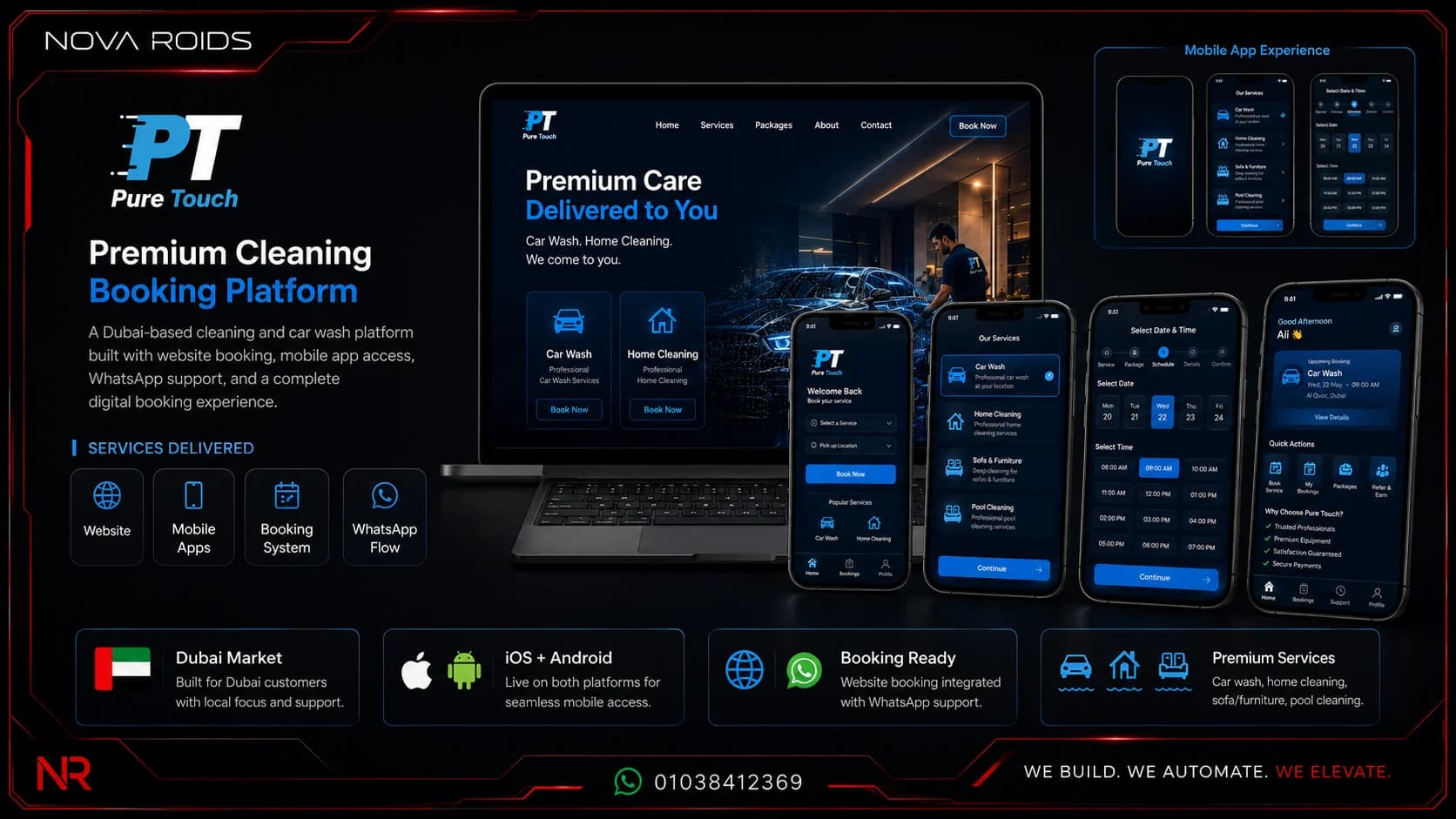
Pure Touch Booking Ecosystem
A premium UAE booking platform for mobile car wash, home cleaning, pool care, locations, packages, and booking operations.
Frequently asked questions
Is React Native good for mobile app development in Egypt?+
It can be a strong fit when iOS and Android share most product journeys and the app does not depend on unusually demanding platform-specific behaviour. The decision should consider device features, integrations, performance, offline needs, team expertise, test coverage, and long-term maintenance rather than market location alone.
Is React Native cheaper than building two native apps?+
It can reduce duplicated interface and product-logic work, but it does not remove backend, UX, QA, store release, analytics, or all native code. Total cost depends on the product. A React Native app with complex native integrations can require significant platform-specific engineering and testing.
Can React Native use native iOS and Android features?+
Yes. React Native can use supported community or vendor libraries and custom native modules to access platform capabilities. The important question is whether the delivery team can maintain and debug those native boundaries when operating systems or SDKs change.
Do React Native apps need separate App Store and Google Play releases?+
Yes. Even with shared product code, iOS and Android have separate signing, build configuration, store metadata, review processes, privacy requirements, and platform testing. Release planning must account for both environments.
Author and technical review
Primary references
Planning a mobile product?
Share the users, core workflow, required integrations, target market, and first-release goal. Nova Roids will help turn the idea into a scoped product system.